Common Event Transport Errors to Avoid
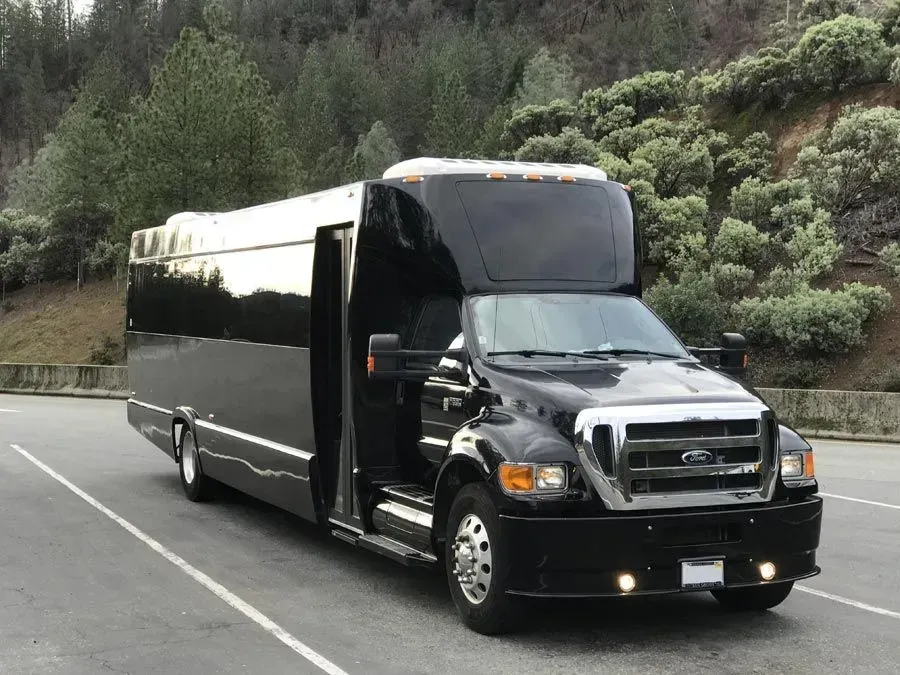
Planning an event involves countless details, and transportation is often underestimated. A frequent error is expecting attendees to arrive independently or depend entirely on their own cars. This can lead to delays, missed schedules, and unnecessary stress for both hosts and attendees. Accurately estimating guest transport needs, including accessibility requirements, is essential. Planning for convenience and accessibility helps ensure guests reach the event smoothly and punctually. Neglecting transport considerations may negatively impact both schedule and guest experience.
Scheduling vehicles without accounting for the number of guests can result in overcrowded rides or long waits. Planning should allow for adaptability to address last-minute adjustments. Securing dependable transport website ahead of time avoids problems caused by scarcity. Accounting for rush hours and traffic trends helps reduce tardiness and keeps events on track. Well-planned logistics communicate professionalism and foresight. This is where Haas Limo ensures guests experience seamless travel from start to finish.
Failing to Communicate Clearly With Transportation Providers
Clear communication with transportation providers is essential for a successful event. Misunderstandings regarding pick-up times, locations, or vehicle requirements can create confusion on the day of the event. Sharing comprehensive directions and double-checking arrangements avoids common mistakes. Communicating unique preferences or VIP accommodations ensures proper service. Lacking proper coordination may reduce service standards and affect attendees’ satisfaction. Keeping all parties informed fosters trust and dependable execution.
Event hosts should provide a single point of contact to coordinate all transportation needs. This helps in addressing last-minute changes efficiently and ensures that drivers are aware of the complete schedule. Pre-checking travel paths and schedules prevents unnecessary delays. Additionally, sharing important contact information with guests allows them to communicate any concerns promptly. Transparency and thoroughness in communication result in smoother operations. Ongoing communication during planning fosters strong relationships and accountability.
Ignoring the Importance of Timing
Timing is one of the most critical aspects of event transportation planning. Misjudging travel durations can lead to guests arriving late or stressed, impacting the event schedule. Including extra time for congestion, unexpected holdups, or parking issues reduces strain. Coordinating arrival times to avoid congestion and ensure a steady flow of guests enhances the overall experience. Proper timing encompasses beginning and ending phases for uninterrupted operations. Meticulous schedule management conveys expertise and preparedness.
Packing cars beyond capacity or miscalculating durations creates issues. Providing accurate itineraries for drivers and staff helps them manage the schedule efficiently. For multi-location events, mapping out travel sequences and timing ensures guests reach each destination comfortably. Accounting for attendees with special needs increases operational effectiveness. Well-planned timing prevents unnecessary stress for everyone involved. Proper timing frees organizers to concentrate on the event rather than transport concerns.
Failing to Account for VIP or Accessibility Needs
Every event may have guests with specific needs that require careful consideration. Examples include wheelchair access, food restrictions, or privacy for high-profile guests. Failing to accommodate these needs causes frustration and discomfort. Planning in advance allows transportation providers to prepare appropriate vehicles and services. Addressing all needs increases satisfaction and reinforces a positive experience. Addressing special requirements demonstrates a high level of care and attention to detail.
Informing staff of guest specifics avoids mishaps and facilitates seamless travel. Ensuring vehicles meet accessibility or cargo needs avoids delays and stress. Predicting possible challenges demonstrates preparedness and guest-first thinking. Guests who feel accommodated are more likely to have a positive and memorable experience. Careful consideration by hosts helps prevent avoidable problems. Thoughtful planning ensures that all attendees enjoy their travel comfortably and safely.
Overlooking Vehicle Care and Standards
The condition and quality of vehicles play a significant role in guest satisfaction. Using vehicles that are outdated, poorly maintained, or uncomfortable can create negative impressions. Consistent maintenance and checks guarantee safe and pleasant rides. VIP experiences are measured by both promptness and the comfort of transportation. Travelers at formal or important events demand vehicles that are smooth, safe, and luxurious. Neglecting maintenance may diminish the impact of well-planned event logistics.
Scheduling maintenance before a major event ensures reliability and peace of mind. Ensuring entertainment, lighting, and climate functions are operational improves the ride experience. Adding thoughtful features for high-profile events enriches the travel experience. Ensuring vehicles are prepared in advance prevents last-minute complications. Focusing on vehicle care underscores event organizers’ attention to excellence. Guests notice these details, and it often sets the tone for their overall perception of the event.
Failing to Plan for Unexpected Changes
Since plans can change, adaptable transport arrangements are crucial. Delays from conditions or extra guests may interfere with precise plans. Without contingency planning, these changes can create stress and confusion. Having extra cars or alternative routes ready maintains flow despite surprises. Being prepared for changes fosters reassurance and smooth operations. It allows the event to remain enjoyable and organized, regardless of unexpected circumstances.
Working with a provider to plan alternatives enhances event reliability. Alerting drivers to possible modifications ensures rapid adaptation. Well-defined emergency protocols reduce interruptions and boost guest confidence. Foreseeing potential issues reflects careful planning and competence. Flexibility and preparedness are key factors in creating a seamless experience. Planning for contingencies helps maintain order and event quality.
Mismatching Vehicle Types to Event Needs
Selecting vehicles that do not align with the event type or guest expectations can impact satisfaction. For instance, an oversized vehicle for a small group may feel impersonal, while a compact vehicle for a large party may be cramped and uncomfortable. Understanding the right vehicle type for the number of guests, luggage needs, and event style is critical. Comfort elements like connectivity, climate adjustments, and generous seating improve satisfaction. Proper vehicle selection ensures that all aspects of transportation complement the event atmosphere. Attention to vehicle suitability shows professionalism and foresight.
Using experienced providers streamlines the selection of appropriate vehicles. A provider with experience in luxury ground transportation can match vehicle types to event requirements efficiently. Consideration of attendee comfort, aesthetics, and special needs is part of professional service. Proper planning for vehicles minimizes complications and elevates the event. Working with Haas Limo allows hosts to ensure guests arrive in style and comfort. Attention to vehicle suitability helps create a memorable impression for everyone involved.
Lack of Synchronization Among Transportation Teams
Coordination between drivers and event staff is often overlooked but crucial for smooth transportation. Poor coordination leads to delays, crowding, and scheduling mistakes. Establishing clear communication channels between drivers, coordinators, and staff ensures that everyone is on the same page. Sharing schedules and contacts helps drivers adapt to adjustments efficiently. Effective coordination contributes to a seamless flow and minimizes stress for both guests and organizers. It ensures that transportation supports the overall success of the event.
Regular briefings before the event allow drivers and staff to review the schedule and discuss any special instructions. Establishing checkpoints and contingency protocols can help manage unexpected situations. Tracking guest movement avoids congestion and scheduling problems. Effective dialogue improves security, convenience, and smooth operations. Working with Haas Limo provides expert oversight of all logistical communication. Well-synchronized transportation operations leave a lasting impression of reliability and excellence.